WELCOME TO
THE NETWORK TOOLKIT
Your resource for work and life after separating from the Army
The Network Toolkit includes the following eight modules:

IDENTITY
STRATEGIES FOR WORK

ALCOHOL USE

ALCOHOL EXPECTANCIES

ALCOHOL TIPS & STRATEGIES

STRESS MANAGEMENT & WELL-BEING

SLEEP

YOUR RESOURCE LIST
Before you get started, there are a few things you should know:
Sincerely,
The Network Study Team
To begin, click on the first module:
Nice, you've completed {{completedCount}} of 8 modules.
Click the next module to continue.
 ✓
✓
IDENTITY
✓
STRATEGIES FOR WORK
✓
ALCOHOL USE
✓
ALCOHOL EXPECTANCIES
✓
ALCOHOL TIPS & STRATEGIES
✓
STRESS MANAGEMENT & WELL-BEING
✓
SLEEP
✓
YOUR RESOURCE LIST
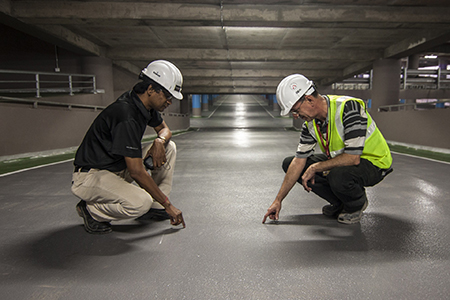
Strategies for Work
This module includes strategies to:
- Search for the job
- Get the job
- Network

Strategies for Work

Job search skills and networking are always important and can help with future employment as well as promotions.
In fact, 82% of employed Veterans are currently job hunting.
Know that you are not alone in this process. In fact, 86% of Veterans are currently on the job market
During this module we will go over job search skills and networking which are important to secure a job and for future employment and promotions.
Whether you will be returning to your prior job or looking for a new one, job search skills and networking are important and can help with future employment as well as promotions.
Here's what you told us about the job search process:
You indicated that in the past...
Strategies for Work
{{item.message}}
{{item.message}}
Strategies for Work
Expectation vs. Reality
Many people think they should be able to land a job quickly.In reality, most people will need to send out many resumes, go on several job interviews, and the overall process may take several months.


Expectations of how high a salary should be may differ from what is offered
56% of Veterans who decide not to apply or accept a job report the top reason is Disappointment in salary or benefits offered.Consider that some jobs are an entry into the workforce in which you are interested
- Many jobs offer training and promotion opportunities
- It is easier to get another job offer when you are currently employed
Strategies for Work

PERSISTENCE IS KEY!
Use your personal After Action Review (AAR) to help determine:
- What went well and why?
- What can be improved and how?
Strategies for Work
Using AAR to Review Your Job Search Process


1. INTENDED RESULTS
{{heshe}} expected to get a job within three months of separating from the Army
2. REALITY
{{georgerachel}} had two interviews but no job offers
3. THINGS TO SUSTAIN
- Well-written applications, resumes and cover letters
- Quick responses to set up interviews and emailed a thank you note within 24 hours of each interview
- Provided a list of skills learned in the Army and communicated how these would be useful to a civilian job
4. THINGS TO IMPROVE
- Applied for 6 jobs from the same job search engine
Apply to at least 2 jobs a week and ask friends for leads - Was late to an interview because of traffic
Drive to interview location the day before and leave additional travel time - Could not answer questions about {{hisher}} fit with the
company
Visit companies' websites to get info on values or goals
Practice interviewing with a friend
Strategies for Work
{{item.message}}
{{item.message}}
Strategies for Work
WHAT IS NETWORKING?
Behaviors that help build relationships and can help with job-related activities.Networking can include sharing:
- Information
- Contacts


IS NETWORKING CHEATING?
Some people may feel that networking is "cheating", and that their resume alone should showcase their abilities.Networking isn't cheating, it's SHARING.
NETWORKING IS SHARING
Networking is about creating authentic connections and can be mutually beneficial.You may be able to help someone get a job, or find the right person for a position by networking.

HOW TO NETWORK
- Contact people you know when you:
- Have questions about a job or need information
- Need advice or want feedback
- Want to expand your job search or get introductions to new contacts
- Get the word out to people about your job search
- Friends, family, Facebook friends -- even a contact that you think would not be helpful may know someone who is
- Use online networking tools
- LinkedIn.com
- Rallypoint.com
- Professional Facebook and Twitter accounts
Sleep
This module includes:
- Personalized feedback on sleep
- Info on the link between work and sleep
- Tips for healthy sleep hygiene

Sleep
Your Personalized Feedback on Sleep
Here's what you said about your sleep:
Sleep
SLEEP AND WORK: The fuss of catching Z's

- Lack of sleep can lead to daytime sleepiness, fatigue, and lack of focus
- US economy loses ~$200 billion annually from poor performance due to sleep related problems
- A good night's sleep can increase your productivity and keep you at the top of your game
- Poor sleep can affect your attention span, memory and learning
- Decrease your mistakes or accidents by having a good sleep routine

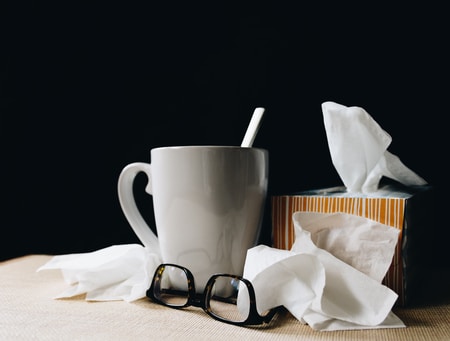
- Not getting enough sleep in the long term can weaken the immune system and increase the possibility of obesity, diabetes and some cancers
- 46% of individuals with frequent sleep disturbances report missing work, compared to 15% of healthy sleepers
- Poor sleep can make you more irritable and more likely to lash out at someone at work
- Research shows that better sleep can decrease negative workplace attitudes

Sleep
Ditch the "Sleep When You Can" Mentality
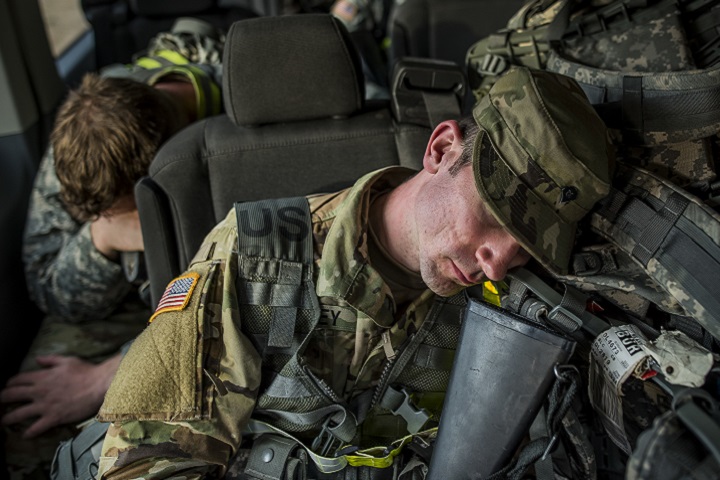
However, sleeping in short bursts may only lead to overall less sleep.
Here are some tips for healthy sleep hygiene:
Go to bed at the same time. Get out of bed at the same time.


Leave Netflix, Social Media and video games in another room.
Dim the lights, put away work materials, and reduce noise.


Taking naps over 30 minutes can make it difficult to fall asleep later and affect your sleep routine
Alcohol may help you fall asleep initially, but it significantly impairs the sleep you get. Alcohol can cause you to wake through the night. One night of drinking can impact your sleep up to 3 days later!

Identity
In this module, you will explore:
- Your identity as a Soldier, Veteran, and Civilian
- Other Veterans' experiences
- Tips to help you during this transition

Identity
Soldier, Veteran, Civilian
Identity
The amount that you identify with being a soldier or Veteran may change over time.

- Being a spouse (husband, wife) or parent
- Your career or job
- Your religious affiliation
- Your group memberships or activities you engage in
Identity
Some Veterans are relieved to separate, whereas others may struggle. These feelings may also change over time.
What I did in the military... I was great at my job. But that isn't recognized now.
I had some of the best friends of my life on my team. I miss my battle buddies.
The slow, bureaucratic way the civilian world works drives me crazy sometimes. I just don't get it.
I just felt so detached from everyone I knew before my time in the army, like I had nothing in common with them.
My entire time in the army, everything was done for the team. After, it seems no one is thinking that way. They are just doing what's good for them.
You don't realize how much was provided. I needed to figure out buying groceries, budgeting and paying bills.
Some Veterans feel a loss of identity when they separate from the military.
This may feel similar to grieving. Know that if you experience any such difficulties, you are not alone and there are steps you can do that may help.
Identity
What you can do:
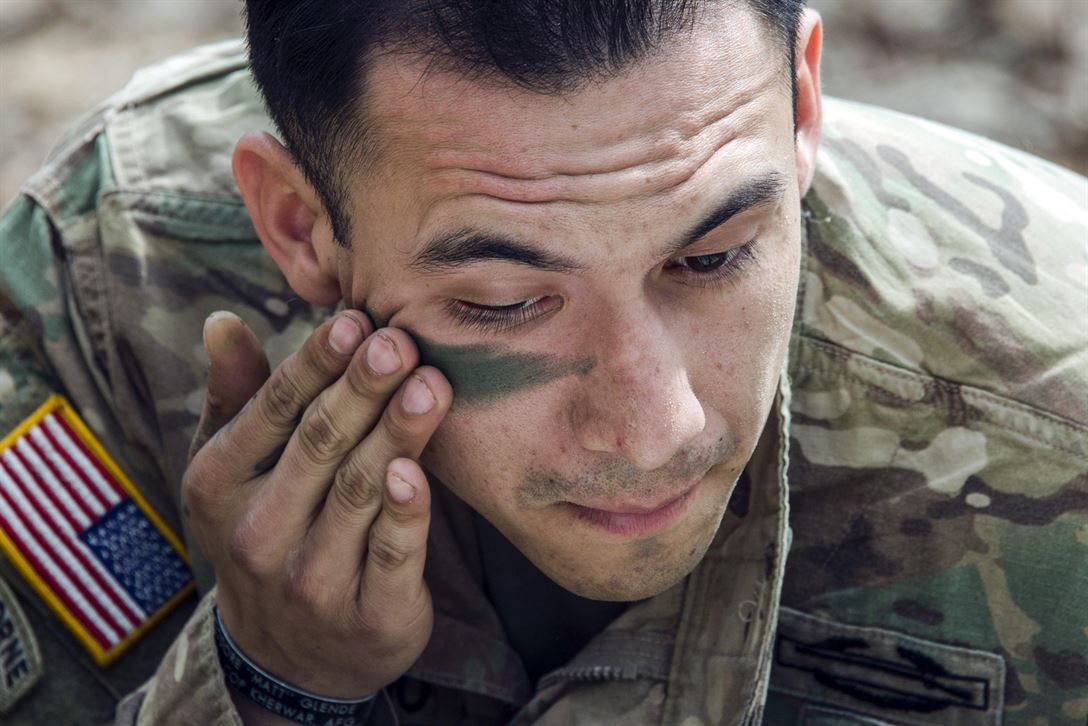
1. Reframe your identity
- Your identity is not only "military" or "civilian".
- You will always carry the time you spent in the Army with you.
- It may be helpful to look at this time as growing your identity.
2. Engage
- It is common to feel detached or like you don't fit in after separation.
- It might be tempting to isolate, but engaging in activities and talking with others is the best way to reduce these feelings.
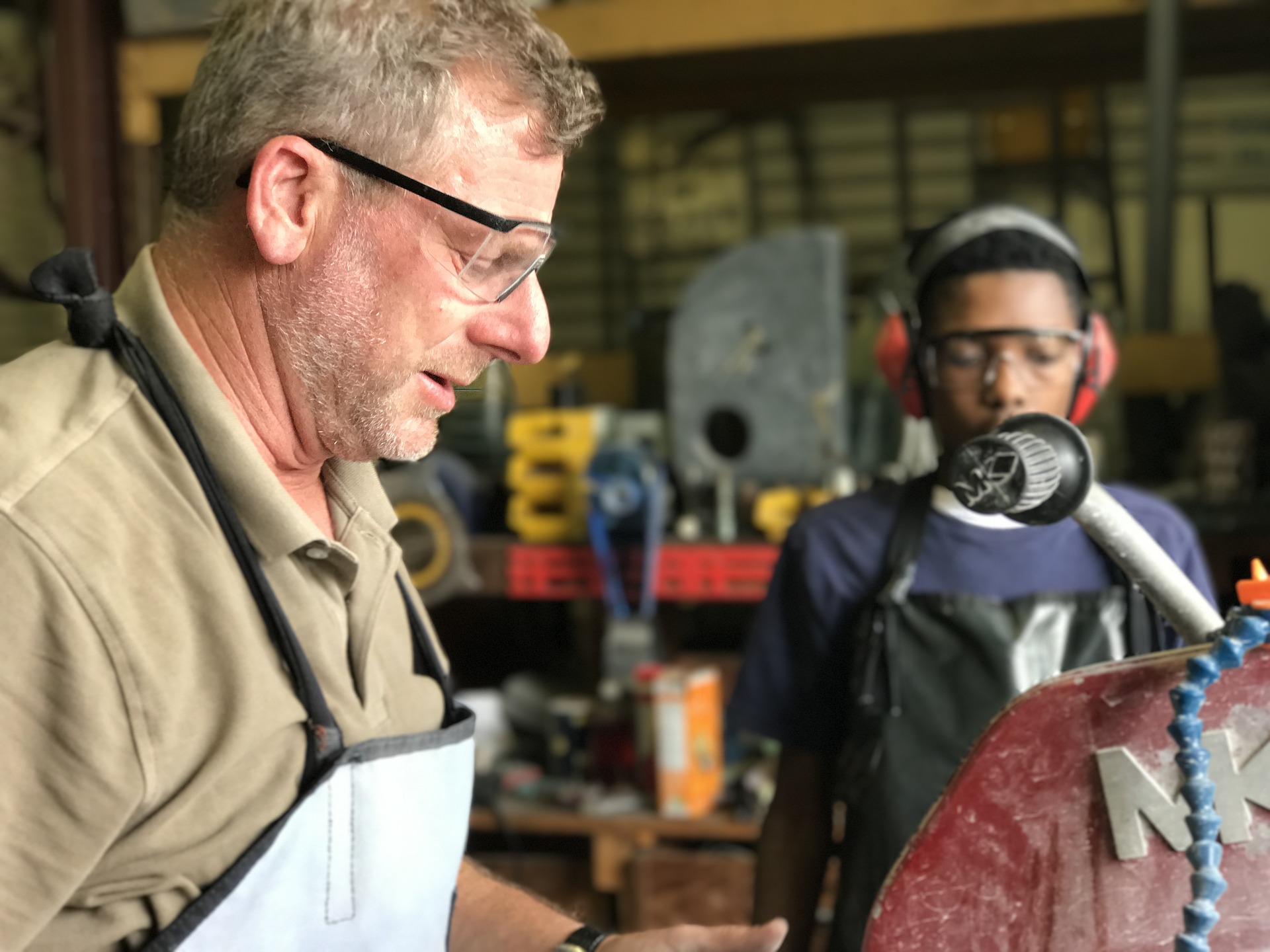
- Volunteer in the community (e.g., Big Brother/Big Sister)
- Join a Veteran Service Hub, Vet Center, or American Legion
- Engage in small talk with people you see throughout the day

3. Reach out to your support network
- Your support network can be family, friends, co-workers, and other fellow Veterans
- If you feel like your transition stress is affecting your daily life, reach out to these individuals for support and advice.
Stress Management & Well-Being
This module includes:
- Personalized feedback on your well-being
- Suicide prevention strategies
- Tips for managing stress, anxiety, and depression both in the moment and long-term

Stress Management & Well-Being
This module includes the following sections:
Learn about your own well-being and mood.


Identify warning signs for suicide and have a safety plan.
Learn how to observe the present without judgment.


Learn strategies to reduce tension in your body.
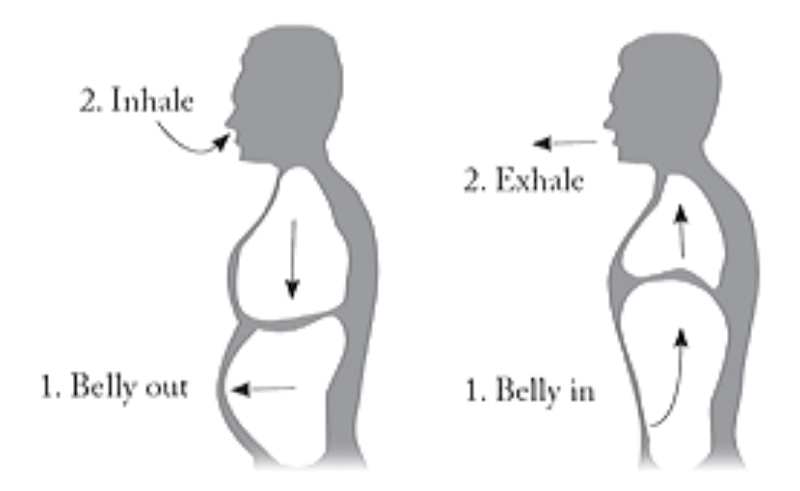
Learn a breathing technique to reduce stress and anxiety.

Learn how to identify and evaluate solutions to a problem.
Identify what activities are meaningful and important to you. Set a plan for how you can engage in them.

Your Mood
Here's what you said about how you have been feeling recently.
You told us you were:
{{item.message}}
You said your overall mental health has been:
Here's what you told us about your energy levels:
You told us your morale has been:
USING ALCOHOL TO COPE WITH LOW MOOD
You told us that some of the reasons you drink are to:
{{item.message}}
Sometimes people drink to cope with stressors in their lives or because they are in a low mood. They think that drinking will improve their mood.
There are other strategies to help improve your mood that don't involve alcohol. Research has shown that being social with friends (without alcohol) increases positive mood and protects against negative moods the next day.
The next section will provide strategies to manage stress and negative emotions.
INFORMATION ABOUT SUICIDE
*This information is being provided to all participants in the study
Sometimes people feel so overwhelmed by what's happening or what they're feeling that they think about suicide.
The next pages include some helpful information about suicide and some concrete things you can do to keep safe when these thoughts arise
KNOW THE RISK FACTORS FOR SUICIDE
Risk of suicide is increased:
During adolescence and during older adulthood
Among men
- Men are 4x more likely than woman to die by suicide
Among those with a mental disorder
- >90% of those who die by suicide had a mental disorder like depression, anxiety, or alcohol/drug misuse
- Those with 3+ disorders are at especially higher risk
During transitions
- First year after separation from Army (~3x increase)
- After break-up/divorce from spouse or partner
- After hospital discharge
NEED HELP NOW? Reach out to someone for help.
There are free, anonymous, 24-hour call and text lines that you can contact to talk things through:
- National Suicide Prevention Lifeline - 1.800.273.8255
- Text Crisis Line - text "HOME" to 741741
- Call 911
WHY DO PEOPLE THINK ABOUT SUICIDE?
There are many factors that may lead people to think about suicide. Most people who have thought about or attempted suicide describe a desire to escape from a situation that seems intolerable and permanent.
Such feelings might result from problems with:
- Relationships
- Financial or legal issues
- Depression or anxiety
- Alcohol/substance use
- Sleep problems
- Anger and agitation
- Hopelessness about the future
...all of which are treatable!
WARNING SIGNS FOR SUICIDE
2/3 of people who die by suicide talk about suicide with someone else before they kill themselves.
And nearly 80% of those who die by suicide then switch and deny suicidal thoughts or plans before they kill themselves.


It's extremely difficult to know which people who think about suicide are going to try to kill themselves and which one's aren't.
So don't try to determine this on your own. If someone you know is talking about wanting to be dead or wanting to kill themselves, reach out to them and get them to a professional for help.
Call 9-1-1 or seek immediate help from a mental health provider when you hear, say or see any one of these behaviors:
- Someone threatening to hurt or kill themselves
- Someone looking for ways to kill themselves: seeking access to pills, weapons, or other means
- Someone talking or writing about death, dying, or suicide

WHAT TO DO IF YOU THINK SOMEONE IS AT RISK: QPR
(Q) QUESTION THEM ABOUT IT
Talk to them in private; Listen to their story; Tell them you care about them.
Ask directly if they are thinking about suicide (doing so will not make them suicidal).


(P) PERSUADE THEM TO GET HELP
Avoid debating the value of life, minimizing their problems or giving advice.
Take the person seriously; Stay with them; Help them remove lethal means.
Persuade them to talk to someone else (get your buddy some help)
(R) REFER THEM TO A PROFESSIONAL
Call the National Suicide Prevention Lifeline at 1-800-273-8255
Text TALK to 741741 to text with a trained crisis counselor from the Crisis Text Line for free, 24/7
Escort them to mental health services or an emergency room for and evaluation (just like you would if you think they might need stitches for a cut or a cast for a potentially broken arm... don't try to do it all on your own)
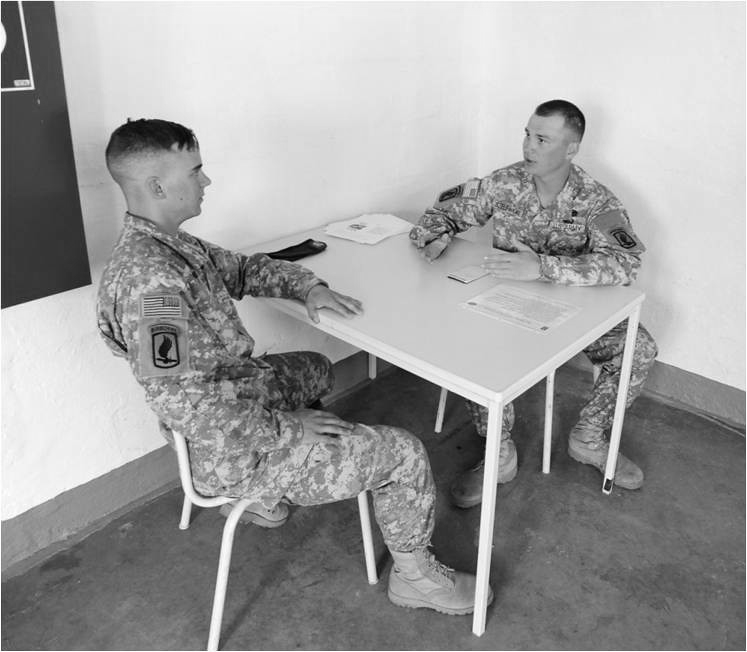
Plan for a Crisis Situation
Use these strategies for any crisis or if you feel overwhelmed:
What are the thoughts, moods, situations, behaviors you experience that can tell you a crisis may be developing?


What are coping strategies you can do to take your mind away from the crisis? Try relaxation techniques or physical activity.
Write down names of people and their phone numbers who you can contact. Identify specific places you can go to that will distract you from the crisis.


Write down the names of people you can ask for help. Also write down their phone numbers.
Write down the name of a clinician and their phone number you can call. Keep these numbers on you.
NEED HELP NOW? REACH OUT TO SOMEONE FOR HELP.
There are free, anonymous, 24-hour call and text lines that you can contact to talk things through:
- National Suicide Prevention Lifeline - 1.800.273.8255
- Text Crisis Line - text "HOME" to 741741
- Call 911

Write down what you can do to make your environment safe.
COMPLETE THIS SENTENCE:
Mindfulness
Mindfulness has been shown to increase performance.



Stay present in the current moment. Focus on the here and now.
Observe your thoughts and feelings without judgement. Just notice what you are experiencing, without labeling them as "good" or "bad".
Observe your surroundings in the present moment. Focus on your current experience. What do you see? hear? smell?



Notice your breathing. Focus on each breath and how you are breathing. Try this exercise.
Notice your body. What are you aware of? Try this exercise.
Mindfulness-based approaches have been shown to decrease stress and well-being.
Try practicing this a few times a week for 10 minutes
Progressive Muscle Relaxation
This is a relaxation technique that can reduce stress and anxiety in the moment. It focuses on tensing and then relaxing one muscle group at a time.
Try this anywhere! Including at your desk at work
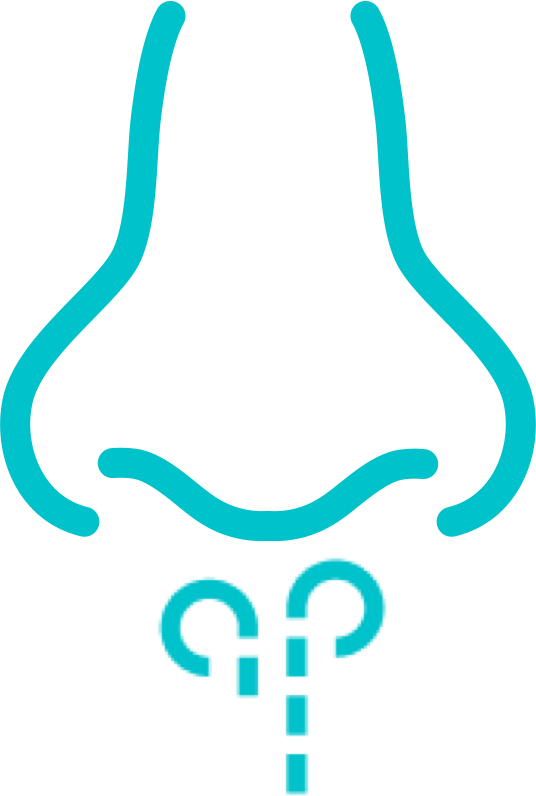
1. Take a deep breath in through your nose and breathe out.


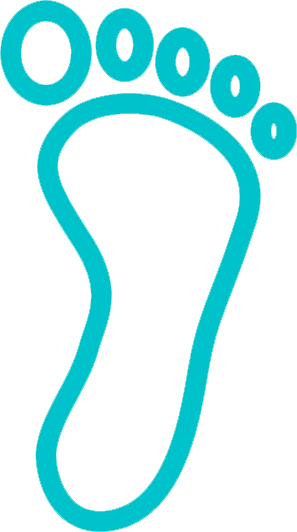
2. Start with your right foot.

3. Curl your toes downward and squeeze all the muscles in your right foot. Hold for 5 seconds.
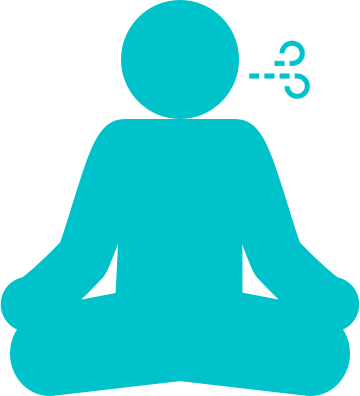
4. Now relax and release the tension in your foot and exhale.

5. Notice the difference between tension and relaxation.
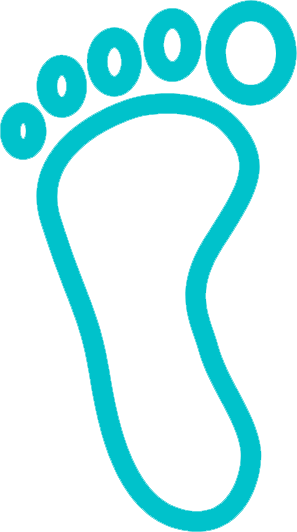
6. Repeat the process of tension and release with your left foot. Curl your toes as tight as you can, hold for 5 seconds, and then release.

7. Continue this process of squeezing (tension) and release with other muscle groups.
Try:
- Lower leg / foot (tighten calf muscle by pulling toes towards you)
- Entire leg (squeeze tight muscles)
- Hand (clench your fist)
- Arm (tighten bicep)
- Stomach (tighten muscles)
- Neck / shoulders (raise shoulders up to ears)
- Eyes (clench eyelids shut)
- Forehead (raise eyebrows up)
DELIBERATE BREATHING
This is another relaxation technique that can reduce stress and anxiety in the moment. It is used by top athletes for optimal performance when under stress.
FIRST, SIT COMFORTABLY IN A CHAIR.
- Place one hand on your chest and the other hand on your stomach
- Breathe in slowly through your nose so your stomach moves out against your hand (the hand on your stomach should rise).
- Now, tighten your stomach muscles as you exhale (the hand on your stomach should move back into the original position).
PRACTICE FOR 10 BREATHS.
- What do you notice in your body?
- What do you notice about your breathing?
PROBLEM-SOLVING TECHNIQUES
It can be hard to focus and solve problems when stressed. Try these steps as a starting point:
1. IDENTIFY THE PROBLEM
First, write down what the problem is. Be as specific as possible. If there are many problems, prioritize and pick one to start.

2. BRAINSTORM POSSIBLE SOLUTIONS
Now, make a list of all possible solutions. Don't evaluate them yet, just write down any ideas you have that could be solutions.
3. EVALUATE POSSIBLE SOLUTIONS
Go through each solution and evaluate the pros and cons.


4. PICK THE BEST SOLUTION AND CREATE AN ACTION PLAN
Identify the solution that will best solve the problem. Now, create an action plan. What's the first step you need to take? How will you get started?
PLEASANT ACTIVITIES
Participating in activities that are meaningful, fun, or important to you can boost your mood and reduce stress.
CLICK ON THE ACTIVITIES YOU ENJOY:
NOW CLICK ON THE ACTIVITIES THAT YOU'RE NOT DOING NOW, BUT YOU'D WANT TO TRY:
CONSIDER:
- What hobbies do you enjoy? Activities could include sports, movies, museums, concerts, painting, cooking, exercise, time with family/friends.
- What activities do you want to do more of?
- What activities did you previously like but haven't done in a while?
PLEASANT ACTIVITIES
Participate in activities that are meaningful and important to you.
Now make a list!
Write down additional activities you enjoy, or activities you're interested in trying but haven't done yet. Try resuming any old hobbies you may have previously enjoyed.
Here are the things you said you'd enjoy or would want to try:
SCHEDULE ACTIVITIES
When can you participate in these activities? Schedule them in advance so they're on your calendar!

REACH OUT
Reach out to someone to do this activity with! Or can you do this activity alone and meet friends there?

MOOD & ACTIVITIES
Notice what your mood is like after you've engaged in things you enjoy.

Alcohol Use
In this module, you will:
- learn about alcohol use and it's effects in the body
- learn about tolerance and how it affects you
- review personalized feedback on how your drinking compares with others
Alcohol Use
What are the effects of alcohol in the body?
Does the first drink have the same effect as the last drink of the night?
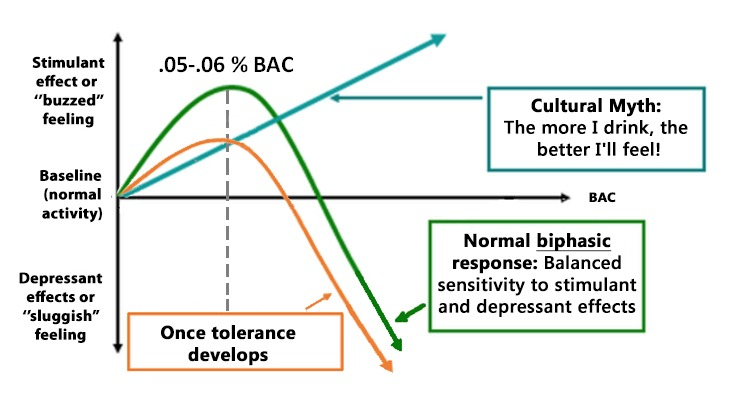
For most people, the first drink of the night is positive - the develop a "buzz". but what happens when the buzz wears off?
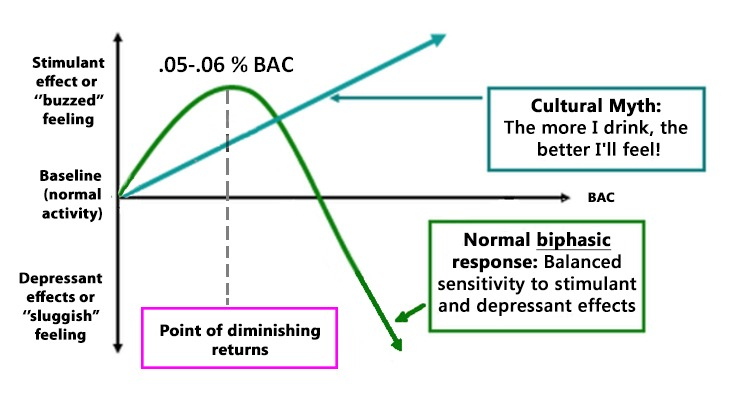
A natural response may be to drink more, but most people don't get that buzz back. This is because alcohol has two phases.
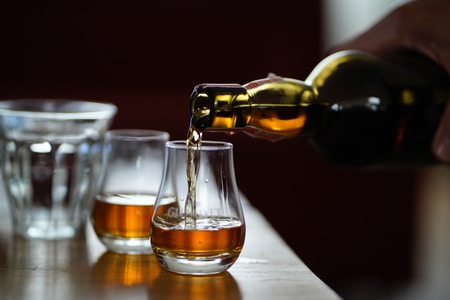
Does more alcohol give you a better buzz?
With low amounts of alcohol your blood alcohol concentration (BAC) slowly rises and effects can be relaxing, stimulating, and pleasant. This is the first phase, the "buzz". However, if you continue to drink, your BAC gets higher.
Alcohol Use
The Point of Diminishing Returns
Each drink has stimulating and depressant effects, but as you drink more depressant effects get larger and stimulating effects get smaller.
Then, one more drink won't add to the buzz; it will make the depressant effects worse. This is known as the point of diminishing returns.
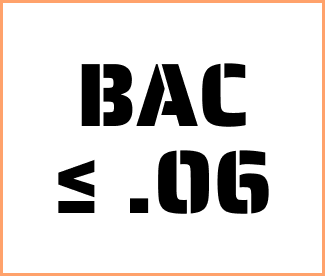
Research shows the point of diminishing returns is at BACs at or below .06%. At BACs above this, the buzz won't come back by drinking more - you have to wait until all the alcohol is out of your system.
Where is your point of diminishing returns?
Maximum* drinks
{{ dimSliderSex }}
| lbs. | 1 hour | 2 hours | 3 hours |
|---|---|---|---|
| {{ dimSliderWeight - 10 }} | {{ this.dimDrinks(dimSliderWeight - 10, 1) }} | {{ this.dimDrinks(dimSliderWeight - 10, 2) }} | {{ this.dimDrinks(dimSliderWeight - 10, 3) }} |
| {{ dimSliderWeight }} | {{ this.dimDrinks(dimSliderWeight, 1) }} | {{ this.dimDrinks(dimSliderWeight, 2) }} | {{ this.dimDrinks(dimSliderWeight, 3) }} |
| {{ dimSliderWeight + 10 }} | {{ this.dimDrinks(dimSliderWeight + 10, 1) }} | {{ this.dimDrinks(dimSliderWeight + 10, 2) }} | {{ this.dimDrinks(dimSliderWeight + 10, 3) }} |
Use the controls to see how alcohol affects others.
Weight: {{ dimSliderWeight }}
These charts show the maximum number of drinks a person could have to go up to, but not exceed, a BAC .06%
Drink less than this and you are likely maximizing pleasant effects and reducing unpleasant ones.
The BAC chart assumes drinks are spaced apart equally.
Drinking slowly and spacing drinks farther apart is an important component of reducing depressant effects of alcohol
Alcohol Use
Tolerance
Is the "buzz" you got now as good as the buzz you got when you first started drinking?
If the answer is no, you likely have developed tolerance. Tolerance means needing more alcohol to feel the same effects as when you first started drinking.
Is tolerance good or bad?
Some people think of tolerance as a good thing - being able to "hold your liquor". But here are some benefits people experience if they don't have tolerance:
1. Cheaper: a person with tolerance needs to buy more drinks to feel the "buzz"

2. Safer: a person with tolerance could be at a dangerous dose and not know.

3. Better Experience: a person with tolerance doesn't feel the pleasurable effects of alcohol at low doses

Alcohol Use
What can you do if have tolerance?
Tolerance is like weight: you can gain or lose it.
The good news is tolerance can be reduced by taking a break from drinking for awhile (usually a month or so) or by consistently reducing drinking for a longer period of time.

Is tolerance good or bad?
Some people think of tolerance as a good thing - being able to "hold your liquor". But here are some benefits people experience if they don't have tolerance:
Once your body has had a chance to reset, you can increase the chances of a pleasurable buzz and reduce the chances of developing tolerance again by:
- staying below .06% BAC
- taking periodic breaks from drinking
Alcohol Use
Here's how your drinking compares with others:
How do you compare to other {{sex}} veterans and the typical United States {{sex}}?
On a given occasion...
*Note: This comes from a 2016 self-report study that included
a random sample of 1,023 veterans
**Note: This comes from a 2018 self-report nation-wide study
that included 67,791 adults in the United States
In a typical week...
*Note: This comes from a 2016 self-report study that included
a random sample of 1,023 veterans
**Note: This comes from a 2018 self-report nation-wide study
that included 67,791 adults in the United States
Alcohol Use
Compared to the general public, your percentile rank is {{ ddqPercentiles }}%. This means you drink as much or more than {{ ddqPercentiles }}% of other adults in the United States.*
*Note: This comes from a 2015 self-report study that included 7,071 adults in the United States
How do you compare to other {{sex}} Army veterans and to the general public?
The number of days a month...
*Note: This comes from a 2016 self-report study that included
a random sample of 1,023 veterans
**Note: This comes from a 2018 self-report nation-wide study
that included 67,791 adults in the United States
How do you compare to other veterans?
You are among the third of veterans aged 18-25 who report not drinking at all in the past month.
You are among the 43% of veterans aged 26 and up who report not drinking at all in the past month.
Additionally, when veterans do drink, 63% 73% of {{sex}} veterans drink fewer than 3 drinks per occasion.
How do you compare to the typical United States {{sex}}?
You are among the 40% 47% of U.S. {{sex}}s who report not drinking at all in the past month.
Additionally, when people do drink, the typical U.S. {{sex}} drinks 2 drinks 1 drink per occasion.
Note: This comes from a 2018 self-report nation-wide study that included 67,791 adults in the United States
Alcohol Expectancies & Experiences
This module includes:
- Common beliefs about alcohol's effects
- The ways in which alcohol impacts us
- Financial costs of alcohol
Alcohol Expectancies
Many people believe that alcohol can influence how they feel and how they behave.
{{item.message}}
{{item.message}}
{{item.message}}
Alcohol Expectancies
Alcohol Experiences
The following alcohol-related experiences happened at least once in the past month.
In the past month, you haven't experienced any negative alcohol-related experiences that we asked about. That's great! Here are some alcohol-related experiences that other people may experience.
Click on the top 3-5 experiences from drinking that you would want to avoid the most:
PHYSICAL:
EMOTIONAL:
SOCIAL:
WORK / RESPONSIBILITIES:
Financial Costs of Alcohol
Want some extra cash? Do the math on how much alcohol costs.
Use the slider to see how much money you might spend on alcohol over the course of one year.
Drinks per week: {{ afcDrinks }}
| Brand | Cost/Yr |
|---|---|
| Budweiser/Coors/Miller/Budlight | ${{ (afcDrinks * 67.60).toFixed(2) }} |
| Mike's Hard Lemonade/Smirnoff Ice | ${{ (afcDrinks * 123.76).toFixed(2) }} |
| Bacardi/Captain Morgan/Malibu | ${{ (afcDrinks * 75.92).toFixed(2) }} |
| Absolut/Smirnoff/Grey Goose/Svedka | ${{ (afcDrinks * 120.12).toFixed(2) }} |
| Jack Daniels/Fireball | ${{ (afcDrinks * 139.88).toFixed(2) }} |
| Jagermeister | ${{ (afcDrinks * 75.92).toFixed(2) }} |
| Angry Orchard | ${{ (afcDrinks * 123.76).toFixed(2) }} |
| Pabst Blue Ribbon | ${{ (afcDrinks * 62.40).toFixed(2) }} |
| Olde English 800 Malt Liquor | ${{ (afcDrinks * 66.04).toFixed(2) }} |
| Busch | ${{ (afcDrinks * 75.92).toFixed(2) }} |
| Keystone | ${{ (afcDrinks * 75.92).toFixed(2) }} |
| Corona/Heineken/Becks | ${{ (afcDrinks * 135.20).toFixed(2) }} |
| Redhook/Alaskan Amber/Fat Tire | ${{ (afcDrinks * 135.20).toFixed(2) }} |
| White Claw/Truly | ${{ (afcDrinks * 123.76).toFixed(2) }} |
| Four Loko Gold | ${{ (afcDrinks * 54.08).toFixed(2) }} |
| Franzia/Bandit | ${{ (afcDrinks * 99.84).toFixed(2) }} |
| Compared to... | |
|---|---|
| Hulu w/ No Ads for 1 year | $144.00 |
| Spotify Premium subscription for 1 year | $120.00 |
| Groceries for 2 people for a month | $686.00 |
| Gas for 1 year (at $3.50/ gallon) | $2396.00 |
| iPhone 12 Pro or Samsung Galaxy S21+ | $999.99 |
| Fitbit Charge 3 | $165.00 |
| A cup of coffee every day for 6 months | $365.00 |
| Yuneec Typhoon H Drone | $1300.00 |
| PS5 | $499.00 |
| Season Tickets for the Seattle Seahawks | $1080.00 |
| Air Pods | $200.00 |
Alcohol And Sex
How does alcohol impact sex?
Pleasure & Performance
Some people expect alcohol to increase arousal and sexual pleasure, but the physiological effects of alcohol are the opposite.
Alcohol decreases blood flow to sex organs. This can prevent orgasms from occurring or reduce their intensity. Especially in high amounts, alcohol can lead to erectile dysfunction in men and decreased vaginal lubrication in women.
Alcohol can also impact people's ability to correctly read interpersonal cues, including verbal and non-verbal messages. Continue to the next page to read about how alcohol impacts communication.
Alcohol And Sex
How does alcohol impact sex?
Communication & Consent
Alcohol can impair judgement at any BAC especially so for BACs 0.05-0.06 and higher
Research shows...
...people are more likely to overestimate sexual willingness with alcohol on board.
...people are poor judges of how intoxicated they are and others are. This can lead to miscommunication of sexual boundaries and desires.
...establihsing affirmative consent increases pleasure and satisfaction with the sexual experience, and boosts partner intimacy.
Consent is an ongoing active process of willingly choosing to participate in sex of any kind. Even a small amount of alcohol can interfere with providing or obtaining consent.
Having sex when you and your partner haven't been drinking is the best way to ensure it is mutually voluntary.
Click here for more information on what consent looks like.
Hangover
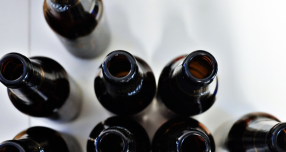
Alcohol is toxic to the body, which is why people throw up after drinking too much, get hangovers and can feel lousy the next day. The body tries to recover and you can feel "off" during this time.

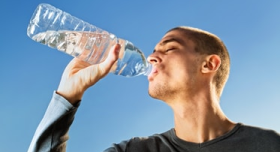
A part of a hangover is being dehydrated - alcohol is a diuretic, so that cotton-mouth, sore muscle feeling is related to this dehydration.
Another part of a hangover has to do with how intoxicated a person has gotten - typically, exceeding a BAC of .06% can be associated with hangovers.
To avoid hangovers, consider drinking less alcohol, and drinking more water during the evening (including alternating alcoholic drinks and water).
Alcohol Tips & Strategies
This module includes:
- Tips and strategies to avoid negative experiences caused by alcohol
Alcohol Tips and Strategies
Here are top alcohol-related experiences you would like to avoid:
{{item.avoid}}
Alcohol Tips and Strategies
Here are some things you are currently doing to reduce the risk of unwanted effects or experiences from drinking:
{{item.currently}}
Tips & Strategies: Before Drinking
These next few pages will go over some tips and strategies you may want to try.
These next few pages will go over some additional tips and strategies you can try.
If you choose to drink, here is some info on things you can do BEFORE drinking to avoid negative experiences.
You're already planning ahead to reduce unwanted effects or experiences from drinking. Here's some more info about the strategies you're using BEFORE drinking.
Tips & Strategies: While Drinking
If you choose to drink, here is some info on things you can do WHILE drinking to avoid negative experiences.
You're already planning ahead to reduce unwanted effects or experiences from drinking. Here's some more info about the strategies you're using WHILE drinking.
When You Don't Want to Drink
There may be times when you do not want to drink. Here are tips to support you when you make that decision.
Your Resource List
This module includes:
- A personalized list of resources for you based on your feedback
Your Resource List
Here are the resources you requested during this program:
SLEEP
EMPLOYMENT
Here are some other resources you may find useful:
SLEEP
EMPLOYMENT
ALCOHOL
MENTAL HEALTH
National Suicide Prevention Lifeline - 1(800) 273-TALK (8255) or dial 988
Provides 24-hour assistance connecting people to skilled, trained crisis workers who will listen to problems and describe local mental health services.
If you feel you are in imminent danger, please call 911.
Military OneSource
- 1 800-342-9647
Military OneSource, both a call center and a website, provides referrals and assistance to all members of the Armed Forces, their family members, and survivors. Military OneSource offers non-medical counseling, financial and tax counseling, and specialty consultations such as health and wellness coaching, wounded warrior consultations, and more.
text HOME to 741741, available 24 hours/day, 7 days/week
SAMHSA Behavioral Health Treatment Services Locator - 1 (800) 662-4357
A locator for alcohol and drug abuse treatment or mental health treatment facilities and programs around the country. Provides information in English and Spanish for individuals and family members facing substance abuse and mental health issues.
Washington Health Care Authority: Behavioral Health and Recovery
Find county mental health crisis line phone numbers and access information about substance use disorder prevention and mental health promotion services.
Provides resources for helping someone who is suicidal and a list of suicide hotlines outside of the U.S.
Provides information on what to expect when calling a hotline and a directory of local hotlines by state.
Sexual Assault and Relationship Violence Resources
National Sexual Assault Hotline - 1 (800) 656 HOPE
A free safe, confidential service where you will be connected to a sexual assault service provider in your area. Provides referrals for long term support and local health facility that is trained to care for survivors of sexual assault. In addition, can provide basic information about medical concerns and laws in your community. Phone or live chat 24/7.
Love is respect - (866) 331-9474
Text "loveis" to 22522*
Free and confidential phone, live chat and texting services are available
24/7/365. Highly-trained peer advocates offer support, information and advocacy
to young people who have questions or concerns about their dating relationships.
Provides information and support to concerned friends and family members,
teachers, counselors, service providers and members of law enforcement.
The National Domestic Violence Hotline
- 1 (800) 799-7233
Highly trained advocates are available 24/7 to talk confidentially with anyone experiencing domestic violence, seeking resources or information or questioning unhealthy aspects of their relationship. Live chat is another option for getting real-time, one-on-one support. Available every day from 5 a.m. – 12 a.m.
Washington State Resources
VA Community Mental Health Points of Contact-Washington State
Find contact information for designated mental health points of contact in Seattle, Spokane, Walla Walla and American Lake, WA.
Vet Center Locator-Washington State
Vet Center services include screening & referral for medical issues including TBI and depression, military sexual trauma counseling and referral, and individual and group counseling for Veterans, Service members, and their families.
The Red Badge Project- Tacoma, Seattle, Walla Walla, Everett, and Federal Way Vet Centers
The Red Badge Project engages active-duty service personnel and veterans of all conflicts through the fundamentals of Storytelling. Participants discover greater self-acceptance and efficacy as they find their voice, and produce stories inspired by their life experiences. Courses include poetry, photography, song or filmography, multimedia writing, oral history and documentary production.
King County Resources
KCVP connects you to physical and mental health resources, and other social groups and supports. Other services include housing assistance, financial coaching, budgeting support and can help you apply for VA, Federal, or State level benefits such as disability or social security.
Pierce County Resources
Pierce County Veteran Service Offices
Visit this website for more information about Veteran services in Pierce County, Washington.
Steven A. Cohen Military Family Clinic at Valley Cities
Services for post-9/11 veterans, including the National Guard and Reserves, regardless of discharge status, role while in uniform, or combat experience. Services are also provided to military families, including children.
Snohomish County Resources
Snohomish County Veterans' Assistance Program
Services include Case Management, Everett Vets Center referrals, services to senior & disabled Veterans, Alcohol & Drug Referral, and advocacy.
Visit the online portal that provides a wide range of services and information from public service agencies, veteran providers, local government, and many others to better connect military service members, veterans and their families to resources throughout Snohomish, King and Pierce Counties.
Spokane County Resources
Spokane County Regional Veterans Services
This website provides a list of community resources for medical and behavioral health, financial aid, housing, employment, and other supportive services throughout the Spokane area.
Resource directories for the greater Spokane area, Eastern Washington and North Idaho for military service members and veterans.
Clark County Resources
Clark County Veterans Assistance Center
Services include housing, financial aid, VA Claims/Benefits, clothing, food, hygiene, and homeless Veterans aid.
VA Portland Health Care System
Find information about how to connect and enroll in primary care, mental health, and other healthcare services via the VA Portland Health Care System.